
Signs a Wedding Venue Is a Good Fit
A wedding venue is a good fit when it does five things at once: it holds your guest count comfortably, fits your full budget with no surprise costs, matches the style and mood you pictured, is open on the date you want, and is run by a team that answers clearly and earns your trust. The clearest sign of all is when every practical box is checked and you can still picture your entire day there without second-guessing it.
We are the team at SGV Event Center, a family-run venue in Old Town La Puente, California. Our owners have hosted weddings, quinceañeras, and milestone celebrations here since 2014, across two spaces in one location: the Bourbon Room for up to 200 guests and the Louisiana Room for up to 300. After years of tours and event days, we know what separates a venue that looks nice from one that actually fits. This guide breaks it into nine signs, with the green flags, red flags, and questions that make the decision obvious.
The Short Answer: What "Good Fit" Really Means
Couples often ask how to know if a wedding venue is right for you when every option online looks beautiful. Beauty is the easy part. Fit is three things working together:
Practical fit. Capacity, budget, date, and logistics line up without forcing or stretching.
Stylistic fit. The space already feels close to your vision, so you decorate to enhance it rather than fight it.
Human fit. The people running the venue are responsive, transparent, and on your side.
When all three are present, you stop comparing and start planning. The nine signs below break those categories into details you can check on a tour.
Sign 1: The Space Fits Your Guest Count Comfortably
A good venue holds your guest list with room to breathe, not packed to the legal maximum and not so large that 90 people feel lost in a hall built for 300.
Settle on a realistic guest range before you tour, then ask each venue for its comfortable seated capacity, not just its fire-code maximum. Those two numbers are rarely the same: a room rated for 300 standing may seat only 220 once you add round tables, a dance floor, a buffet, and a stage.
This is why we offer two rooms at one address: smaller celebrations settle into the Bourbon Room, while larger weddings spread out in the Louisiana Room. Compare both on our venues page to see which capacity matches your list. If a venue dodges the comfort question or pushes you toward its ceiling number, treat that as a quiet warning.
Sign 2: It Matches the Style and Feeling You Want
The right venue already looks like a version of your wedding before you add a single decoration. If you want rustic warmth, a polished ballroom will fight you the whole way. If you want sleek and modern, a barn needs a lot of work to get there.
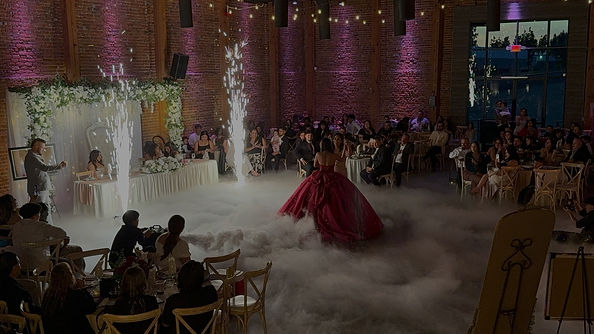
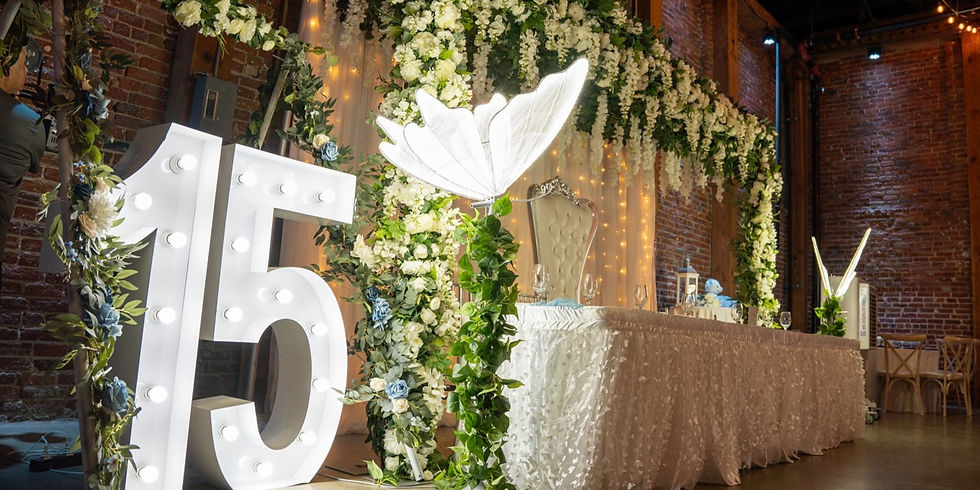
Walk in and ask one question: does this space move me toward my vision or away from it? Our venue leans rustic with modern touches, exposed brick walls, wood accents, up-lighting, and string lights in a barn-shaped room inspired by New Orleans architecture. Couples who want that blend feel it immediately and spend far less on decor, because the bones of the room do the work and you enhance the space instead of disguising it.
Sign 3: The Total Cost Fits Your Budget, With No Surprises
One of the most reliable signs a wedding venue is the one is a price you actually understand. A good fit is affordable and clear: you should leave a tour knowing what the rental covers and what costs extra.
Ask for an itemized breakdown and watch for the line items that quietly inflate a quote:
Service fees, gratuity, and administrative charges
Security staffing and cleaning fees
Setup, teardown, and overtime rates
Taxes applied on top of everything above
Whether tables, chairs, linens, and catering are included or rented separately
Venues that bundle catering and core rentals, like ours with in-house catering and on-site coordination, are easier to budget because fewer surprises hide between the lines. If a venue will not give you a full estimate in writing, that lack of transparency is itself a red flag. Our guide on how to compare wedding venues lays out a side-by-side method.
Sign 4: The Date You Want Is Actually Available
This sounds obvious, yet it ends more venue searches than any other factor. The most beautiful, perfectly priced venue is not a fit if it is booked solid on your weekend.
Popular venues fill up twelve months out or more, especially for spring and fall Saturdays. If you have a fixed date, availability becomes the first filter, not the last. If your date is flexible, ask whether a Friday, Sunday, or off-season booking unlocks better pricing or more attentive service for the same money.
Sign 5: The Team Is Responsive, Honest, and Easy to Trust
You will spend months communicating with venue staff before the big day, so the people matter as much as the place. When couples tell us how they knew, the staff almost always comes up.
Pay attention to small signals during your search:
Do they reply promptly and answer the question you actually asked?
Do they explain policies plainly instead of glossing over them?
Does the coordinator seem genuinely interested in your event, not just the booking?
Are the answers consistent from email to tour to contract?
Slow replies, vague answers, or pressure to sign quickly tend to get worse after the deposit, not better. Our couples work with an on-site coordinator from the first tour through the final details, the kind of support you want to confirm before you commit.
Sign 6: The Venue Works for Your Guests, Not Just for You
A space can feel perfect to you and still frustrate the people you invited. A good fit considers the full guest experience from arrival to farewell:
Location and travel time from where most guests are coming from
Parking capacity, and whether valet or overflow is needed
Accessibility for elderly guests and guests with disabilities, including ramps, restrooms, and short walking distances
Nearby hotels for out-of-town guests who need a place to stay
Our Old Town La Puente location stays central for guests across the San Gabriel Valley and greater Los Angeles, with one indoor address rather than a scattered, multi-stop event.
Sign 7: The Venue Has a Real Plan for the Unexpected
A confident venue has answers ready for what can go wrong. A vague venue improvises, and improvisation on your wedding day is a risk you do not want. Ask directly:
For outdoor elements, what is the indoor or tented rain plan?
Is there reliable climate control for summer heat and winter chill?
What happens if a vendor cancels or arrives late?
How are last-minute guest count changes handled?
An indoor venue like ours sidesteps much of the weather risk, which is why couples planning around unpredictable Southern California seasons lean toward climate-controlled spaces. A good-fit venue has answers before you ask.
Sign 8: The Rules Give You Room to Make It Yours
Every venue has policies. A good fit is one whose rules still leave space for the wedding you imagined. Restrictions only become a problem when they collide with a detail you care about. Before you fall in love, confirm the flexibility that matters to you:
Vendors: Can you bring your own, or must you use a preferred or required list?
Catering: Is it in-house, outside-allowed, or a hybrid? Our venue offers in-house catering with options like Mexican and Italian menus, which simplifies planning.
Decor: What can you hang, and how? Are candles, sparklers, or specific installations restricted?
Timing: What are the start and end times, noise limits, and overtime rules?
If your non-negotiables clear the venue's rules, that is a strong fit. If a single policy blocks something central to your vision, it is better to learn that on the tour than after signing.
Sign 9: You Can Picture Your Whole Day There
After the practical signs check out, trust the one that is harder to measure. Ask couples how did you know your wedding venue was the one, and many describe the same moment: they walk in, picture the ceremony, the first dance, and the toasts, and simply stop looking. That gut feeling is not magic. It is your mind confirming that the practical and stylistic pieces already fit. A useful test is whether the feeling survives the drive home: a venue that still feels right a day later, once the tour glow fades, is far more likely to be the one.
Green Flags vs. Red Flags at a Glance
Use this quick comparison on every tour. The more green flags a venue collects, the stronger the fit.
Green flags (good fit) | Red flags (proceed with caution) |
Clear, itemized pricing in writing | Vague quotes or fees that appear later |
Comfortable capacity for your guest list | Pushed to the maximum occupancy number |
Style already close to your vision | Heavy decor needed to hide the space |
Prompt, straightforward communication | Slow replies or pressure to sign fast |
Your date is available | Only "maybe" or wait-listed dates |
Real plans for weather and changes | No answers for the "what ifs" |
Policies leave room for your must-haves | A key rule blocks something you need |
In-house support and coordination | You are left to manage everything alone |
Questions That Confirm a Venue Is the Right Fit
Bring this list to every walkthrough. Asking the same questions at each venue lets you compare facts instead of memories. For a complete version, see our event venue checklist.
What is the comfortable seated capacity, not just the maximum?
What exactly does the rental fee include, and what costs extra?
Is my date available, and how many hours are included?
Is catering in-house, and can the menu flex to my taste and budget?
Who is my point of contact, and will a coordinator be on-site the day of?
What are the rules for vendors, decor, music, and end times?
What is the backup plan for weather, power, or a late vendor?
What does the deposit, payment schedule, and cancellation policy look like?
Can I see reviews or speak with past couples?
Bringing It All Together
A wedding venue is a good fit when the practical, stylistic, and human pieces line up: the space holds your guests comfortably, the cost fits your budget without surprises, the style matches your vision, your date is open, and the team earns your trust. When those signs stack up and you can still picture your day there, the choice tends to make itself.
If you are weighing venues in the Los Angeles and San Gabriel Valley area, we would love to show you ours. Explore our wedding spaces and other celebrations we host, then schedule a tour to see how the Bourbon and Louisiana Rooms feel for your guest count, style, and date. The best way to know if a venue fits is to stand in it and picture your day.
Frequently Asked Questions
How do you know if a wedding venue is the one?
You know a wedding venue is the one when the practical details and the feeling line up at the same time. The space fits your guest count comfortably, the full cost fits your budget with no hidden fees, your date is available, and the team is responsive and easy to trust. When all of that checks out and you can still picture your day there after you leave, that combination is the clearest sign you have found your fit.
What are red flags when touring a wedding venue?
The most common red flags are vague pricing, fees that appear only after you ask, and pressure to sign before you are ready. Slow or inconsistent communication is another warning, since it usually gets worse after the deposit. Watch for venues that push you toward their maximum capacity instead of a comfortable seated number, or whose rules block something central to your vision.
How many wedding venues should you tour before deciding?
Most couples find their fit after touring three to five venues. Fewer than that can leave you without a real basis for comparison, while touring many more tends to blur the options together. A focused shortlist gives you enough contrast to recognize the right venue without burning out, so the goal is to see enough rather than to see everything.
Should you trust your gut when choosing a wedding venue?
Trust your gut, but only after the practical signs check out. A strong emotional reaction usually means your mind has already confirmed that capacity, budget, style, and logistics fit, which is why the space feels right. A useful test is whether that feeling survives the drive home. A venue that still feels like the one a day later, once the tour excitement fades, is far more likely to be a genuine fit.
How far in advance should you book a wedding venue?
Popular venues book up twelve months in advance or more, especially for spring and fall Saturdays. If you have a fixed, meaningful date, start touring early and treat availability as your first filter. If your date is flexible, asking about Fridays, Sundays, or off-season bookings can unlock better pricing and more attentive service for the same budget.
What questions should you ask before booking a wedding venue?
Ask what the comfortable seated capacity is, what the rental fee includes and what costs extra, whether your date and hours are available, and how catering and coordination work. Confirm the rules for vendors, decor, music, and end times, the backup plan for a late vendor or bad weather, and the deposit, payment, and cancellation terms. Asking the same questions at every venue lets you compare facts instead of memories.


Comments