
How to Compare Wedding Venues Without Getting Overwhelmed
Comparing wedding venues sounds simple until you're standing in your third ballroom of the day, trying to remember if it was the first or second venue that included linens. At SGV Event Center, we've guided hundreds of couples through this exact process. We've seen couples lose deposits because they didn't read the cancellation policy. We've seen others overspend by $8,000 because they didn't realize their venue charged a 22% service fee on top of food and beverage. We've also seen couples find their perfect venue quickly because they came prepared with the right questions. If you'd like to hear from couples we've worked with, you can read our reviews on our testimonials page. This guide gives you everything we wish every couple knew before they started touring.
Start With Your Wedding Priorities Before Comparing Venues
Most couples start by browsing beautiful venues online and booking tours before they've agreed on anything. Then they fall in love with a place that seats 300 when their guest list is 80, or they book a rooftop venue before realizing there's no indoor backup for rain. Getting clear on your priorities first saves you time, money, and a lot of emotional whiplash.
Decide What Matters Most to You as a Couple
Sit down together before you tour anything and answer these questions honestly:
Do you want your ceremony and reception in the same place?
Is the visual aesthetic (garden, industrial, ballroom, rustic) a top priority, or is it secondary to logistics?
How important is the food and bar experience to your guests?
Do you want full control over vendors, or are you okay with using the venue's preferred list?
Is having a specific date more important than finding the perfect venue, or vice versa?
There are no wrong answers, but not having answers leads to wasted tours and indecision.
Set Your Guest Count, Budget, and Must-Have Features
Your guest count determines which venues are even physically possible. A venue with a 120-person capacity is off the table if your list is 180. Be realistic about your count because most couples underestimate it by 15 to 20 people when they first start looking.
For budget, don't just set a number for the venue rental fee. Set a total venue budget that includes food, beverage, staffing, gratuity, and taxes. In many cases, the venue fee is only 30 to 40% of what you'll actually spend at that venue by the end of the night.
Separate Non-Negotiables From Nice-to-Haves
Write two lists before you tour a single venue and keep them separate the entire time.
Non-negotiables (walk away if the venue doesn't offer these):
Minimum guest capacity that fits your headcount
Outside catering allowed, if that matters to you
Full bar service with no major restrictions
Wheelchair accessibility for guests who need it
A real indoor backup plan if you want an outdoor event
Available on your target date or within an acceptable range
Nice-to-haves (great to have, but not dealbreakers):
A dedicated bridal suite or getting-ready space
Built-in photo opportunities like a staircase, garden, or water feature
On-site accommodations for out-of-town guests
A day-of coordinator included in the package
Ample free parking directly on site
Keeping these two lists separate prevents you from talking yourself into compromising on something that actually matters to you.
Create a Wedding Venue Comparison Checklist
After two or three tours, details start blending together. You'll forget which venue had the parking issue and which one had the noise curfew. A comparison checklist solves this problem completely.
When you have the same data points filled in for every venue, you can make a decision based on facts rather than whoever gave the best tour or had the nicest photo gallery. Emotions are still part of the decision, and they should be, but a checklist keeps you grounded in the practical reality of what each venue actually offers. For a broader pre-booking reference, our event venue checklist for Los Angeles covers the full step-by-step process from first inquiry to signed contract.
What to Track for Every Venue You Visit
For every venue you tour, record these details before you leave or immediately after while everything is fresh:
Venue name, address, and contact name
Available dates for your target month
Maximum seated capacity and cocktail-style capacity
Base rental fee and what it includes
Food and beverage minimum (if applicable)
Catering policy: in-house only, approved list, or open to outside vendors
Bar policy and pricing structure
Venue hours: earliest setup access and hard end time
Noise restrictions or sound ordinance information
Parking situation: how many spaces, self-park or valet, cost to guests
What's included: tables, chairs, linens, lighting, AV, setup, cleanup
Décor restrictions
Required vendors vs. preferred vendors vs. open vendor policy
Deposit amount, payment schedule, and cancellation terms
Your gut feeling on a scale of 1 to 10
Compare Wedding Venue Costs Beyond the Rental Fee
This is where couples get surprised most often. A venue that quotes $4,000 for the rental can easily turn into a $15,000 commitment once you factor in everything else. Always ask every venue for a full estimated cost based on your guest count and basic preferences. A reputable venue will give you this without pressure. If they only want to quote the rental fee and tell you to figure out the rest later, that's a red flag.
Compare What Is Included in Each Package
One venue might charge $6,000 for the rental but include tables, chairs, linens, standard lighting, setup, cleanup, a bridal suite, a catering kitchen, and a day-of coordinator. Another might charge $3,500 but provide bare walls, no furniture, no catering facilities, and no staffing. When you add up what you'd need to rent or hire separately for the second venue, the cheaper option often isn't cheaper at all. Go line by line and ask specifically what is and isn't included. Don't assume. You can also review our add-ons and upgrades to get a sense of what's typically available as an enhancement versus what should come standard.
Watch for Hidden Fees and Extra Charges
Before you get emotionally attached to a venue, ask these direct questions:
Is there a service charge or administrative fee? What percentage, and what does it apply to?
Is gratuity expected or required? For which staff?
Is there an overtime fee if the event runs long? How much per hour?
Is event insurance required, and do you provide it or do I need to purchase it?
Are there fees for outside vendors like corkage fees, cake cutting fees, or vendor meal requirements?
Are there fees for using the parking lot after a certain time?
A 22% service fee plus 8% sales tax on a $10,000 food and beverage minimum adds $3,000 to your bill before you've added a single upgrade. These numbers matter enormously when you're comparing two venues that look similarly priced on the surface.
Compare Capacity, Layout, and Guest Comfort
A venue's maximum capacity number doesn't tell you much on its own. What matters is whether your specific guest count feels comfortable in that space and whether the layout actually works for how you want the evening to flow.
Make Sure the Venue Fits Your Guest Count Comfortably
Ask the venue what they consider the comfortable seated capacity for a dinner reception with a dance floor. A venue that fits 200 at maximum capacity might only comfortably seat 150 once you include a DJ booth, a dance floor, a bar area, a gift table, and a cake table. If the space feels cramped during your tour with zero guests in it, it will feel cramped on your wedding day. If you're planning a larger celebration, our post on venue layout ideas for 250 guests walks through how to think about space planning at scale.
Review the Flow Between Ceremony, Cocktail Hour, Dinner, and Dancing
Walk through the event in your mind while you're on the tour. Where will guests go during cocktail hour while the ceremony space is being flipped? Is there a natural transition from dinner to dancing, or will it feel awkward? Is the bar in a location where lines won't block the dance floor or the aisle? Venues that have hosted hundreds of weddings have usually worked out these flow issues. Venues that are newer to weddings sometimes haven't.
Consider Accessibility for Elderly Guests and Guests With Disabilities
If you have guests with mobility challenges, which most couples do, this deserves a real walkthrough, not just a checkbox. How far is the parking from the entrance? Are there stairs at any point during the event? Where are the restrooms relative to the reception space? Are the chairs comfortable for someone sitting for three to four hours? These are small details that matter enormously to guests who need them.
Compare Ceremony and Reception Options
One venue for everything is simpler for guests. They park once, they don't have to drive between locations, and there's no risk of anyone getting lost. Two venues give you more flexibility to choose a ceremony space that's meaningful, like a church, a park, or a family property, combined with a reception venue that fits your party vision.
If a venue does both, find out whether the ceremony and reception spaces are truly separate or whether it's the same room used twice. If it's the same room, guests need somewhere to go during the flip. Is there a cocktail hour space? How long does the transition take, and who handles it? A 30-minute flip with a cocktail hour in an adjacent space is manageable. A 60-minute flip with nowhere for guests to sit is a problem.
Compare Catering and Bar Policies
Food and drinks aren't just logistics. They're a huge part of how your guests experience your wedding. A venue's catering and bar policies can either give you flexibility or lock you into options that don't fit your vision or budget.
Review In-House Catering Options
If a venue has in-house catering, ask to see a full menu with pricing per person, not just a starting price. Find out if a tasting is included or available for an additional fee. Ask whether menu customization is possible for dietary restrictions, cultural preferences, or specific dishes that matter to you. Also ask who actually does the cooking, since some venues subcontract their catering to outside companies even when it's called "in-house."
Check Outside Catering and Food and Beverage Minimums
Some venues require you to use their kitchen and their team. Others allow you to bring in any licensed caterer. Some have a middle option: an approved vendor list. If a specific type of food is important to your wedding, whether that's family recipes, a specific cultural cuisine, or a BBQ pit master, make sure the venue's policy allows for it before you fall in love with the space.
Also ask about the food and beverage minimum. This is the amount you're required to spend on catering and drinks regardless of what you actually want. If a venue has a $12,000 minimum and your preferences would naturally land at $8,000, you'll either overspend or need to find a venue that's a better fit.
Understand the Alcohol Policy
Ask whether the venue has a liquor license or whether you're required to hire a licensed bartender. Ask whether you can bring your own wine or beer and whether there's a corkage fee. Find out when last call is, whether that's negotiable with overtime, and whether there are restrictions on certain types of alcohol. Some venues prohibit shots or hard liquor for liability reasons. Know this before you sign.
Compare Vendor Rules and Flexibility
How much freedom you have to choose your own vendors affects both the quality of your wedding and your budget. Venues vary widely on this.
Know the Difference Between Preferred and Required Vendor Lists
Some couples have a photographer they've already hired, a band they love, or a florist they've worked with before. Confirm whether your existing vendors are allowed before you commit to a venue.
A preferred vendor list is a recommendation — the venue has worked with these vendors before and can vouch for them. A required vendor list means you have no choice. Know which one you're dealing with, and make sure the options on the list fit your style and budget.
Get the Answers Your Vendors Will Need
Your vendors will ask you these questions once you're booked, so get the answers upfront:
When can vendors access the venue for setup? (Many venues allow only one hour, which isn't enough for most bands or lighting companies)
Are vendors required to carry their own liability insurance?
Does the venue require you to provide vendor meals, and if so, how many?
Are there restrictions on what vendors can attach to walls or ceilings?
Is there a loading dock or designated vendor entrance?
What is the policy if a vendor runs over their allotted setup or breakdown time?
Compare the Guest Experience
Your guests won't remember your centerpieces as clearly as they'll remember whether they had a great time. The venue plays a huge role in that.
Location, Parking, and Transportation
Is the venue easy to find? Is there enough parking that guests won't be walking a quarter mile in heels? Is parking free or paid? If you have out-of-town guests or you're planning a late night with an open bar, ask whether the venue has relationships with nearby hotels for room blocks or shuttle companies. These things seem minor until your aunt is calling you on your wedding day because she can't find the place.
Weather, Climate Control, and Seasonal Comfort
Outdoor venues are stunning in photos but require real contingency planning. If you're booking an outdoor venue, ask specifically what the backup plan is for rain, not in general terms, but in detail. Where exactly do guests go? Is the backup space included in your contract, or is there an additional fee? For indoor venues in summer, make sure the air conditioning can actually handle a room full of dancing guests. A ballroom that's comfortable during a daytime tour can be sweltering during a nighttime reception.
Compare Venue Rules, Restrictions, and Timing
Every venue has rules. The venues that communicate their rules clearly upfront are usually better to work with than venues that surprise you after you've signed.
Find out exactly when your event can start and when it has to end, not just when music stops, but when every guest, vendor, and piece of equipment has to be out the door. Ask whether there's a decibel limit, whether bands are treated differently than DJs, and what happens if you go over the noise limit. Ask about décor restrictions too. Some venues prohibit open flame candles, charge cleanup fees for glitter or confetti, or don't allow anything hung on walls without specific anchoring methods. If you have a specific décor vision like draping the ceiling or doing a grand sparkler exit, confirm it's allowed before your vendors start planning around it.
Compare Contracts, Payments, and Cancellation Policies
The contract is where everything gets real. This section is the one most couples skim and the one that matters most when something goes wrong.
Review Deposits, Payments, and What's Refundable
Most venues require a deposit to hold your date, typically 25 to 50% of the total estimated cost. In most venue contracts, that deposit is non-refundable. What varies is how much of your final payment is protected if you need to cancel. Find out when the remaining balance is due and make sure the payment schedule works with your financial timeline.
Ask specifically: if I need to cancel, what do I lose at 12 months out? At 6 months? At 30 days? Ask whether rescheduling to a different date is treated as a cancellation or a modification. Also ask whether the contract includes protections for events outside your control, since many venues updated their force majeure clauses after COVID-19.
Watch for Security Deposits and Policy Penalties
Ask whether there's a separate security or damage deposit and under what circumstances it would be withheld. Find out whether there are financial penalties for violating venue policies like noise violations, going over time, bringing unauthorized vendors, or exceeding capacity.
How to Tour Venues and Make a Final Decision
Bring your checklist to every tour and fill it in on the spot. Photograph everything: the ceremony space, the reception layout, the parking lot, the restrooms, and the catering kitchen if you're allowed. Take short videos to capture the scale of the room. Write notes about how the tour made you feel and what the venue coordinator was like to work with.
Red flags to watch for during any venue tour:
They can't give you a full cost estimate in writing
They pressure you to book on the spot or claim availability is about to disappear
They answer questions vaguely and promise to "sort out the details later"
The contract has large blank sections or terms that differ from what was said verbally
Online reviews mention poor communication, surprise fees, or unresponsive staff after the deposit was paid
The venue is reluctant to let you speak with past clients or provide references
Once you've toured your options, go back to your non-negotiables list and remove any venue that doesn't check every box, no matter how beautiful it was. Then line up your top two or three choices side by side using your checklist scores. The best venue isn't the most beautiful one or the cheapest one. It's the one that fits your guest list, respects your budget, works for your vendors, and makes you feel confident that the team will take care of you. If you're considering SGV Event Center, you can explore our wedding spaces or view all our venues to see what we offer before scheduling a tour. Before you sign anything, do one final walkthrough, bring your remaining questions, and make sure nothing has changed since your first visit.
Tour SGV Event Center in La Puente, CA
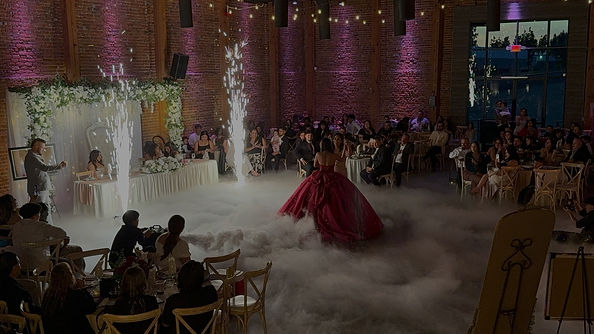
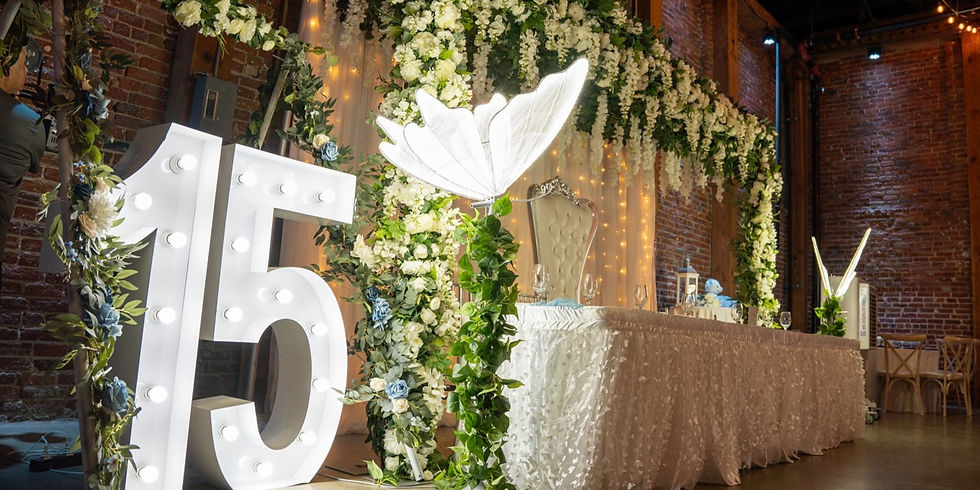
If you're comparing wedding venues in the Los Angeles area, SGV Event Center is worth a visit. Located in Old Town La Puente, we offer two fully indoor event spaces with a style that's hard to find anywhere else. Think brick walls, warm up-lighting, string lights, and a barnyard-inspired layout with touches of New Orleans architecture throughout. It's rustic and modern at the same time, and it photographs beautifully.
The Bourbon Room accommodates up to 200 guests, making it a great fit for intimate to mid-size celebrations. The Louisiana Room accommodates up to 300 guests and works well for larger weddings where you need more space for guests, a dance floor, and full event flow. Both rooms support ceremony and reception in the same location.
Here's what's included when you book with us:
In-house catering with Mexican, Italian, and other menu options, plus food tastings when you select a catering package
Event coordination support to help you set a timeline and finalize your details
Access to quality vendors for DJs, photographers, photo booths, charcuterie, dessert tables, backdrops, and more
One-on-one appointments and in-person venue tours so you can see the space and ask every question on your list
A team that speaks Spanish and is ready to work with you every step of the way
We'd love to show you the space in person. Schedule a tour, check availability, or just reach out with questions.
Frequently Asked Questions About Comparing Wedding Venues
How many wedding venues should you tour before making a decision?
Most couples find a comfortable answer somewhere between three and five venues. Fewer than three and you may not have enough to compare. More than five and the tours start blending together, decision fatigue sets in, and you end up more confused than when you started. If you've done your homework upfront by setting your guest count, budget, and non-negotiables, you should be able to narrow your list to three or four strong contenders before you tour anything. That way, every tour counts.
What is the biggest hidden cost couples miss when comparing wedding venues?
The service charge. Most couples focus on the rental fee and the per-person food and beverage cost, but miss that many venues add a service charge of 18 to 25% on top of the entire food and beverage total, and then sales tax on top of that. On a $15,000 catering bill, a 22% service charge adds $3,300 before tax. Always ask for a full cost estimate in writing that includes every fee, charge, and tax. If a venue is reluctant to give you that, take it as a sign.
Is it better to book a venue with in-house catering or one that allows outside caterers?
It depends entirely on what matters most to you. Here's how the two options actually compare:
In-House Catering | Outside Catering | |
Coordination | Venue handles food and staffing together | You manage a separate vendor relationship |
Menu flexibility | Limited to the venue's offerings | Full control over cuisine and style |
Pricing | Set menus and packages, less room to negotiate | Varies widely, sometimes more competitive |
Accountability | One point of contact for food issues | Caterer and venue may point fingers at each other |
Cultural or specialty food | Rarely available | Fully available |
Tastings | Usually included or offered | Depends on the caterer |
Neither option is universally better. What matters is whether the option the venue offers actually fits your vision and budget.
What should you do if two venues are neck and neck and you can't decide?
Go back to your non-negotiables list and your total estimated cost, meaning the real all-in number, not just the quoted price. In most cases, one venue comes out ahead on at least one of those two things. If they're genuinely equal on everything practical, think about the people, not the space. Which venue coordinator made you feel more confident? Which team responded faster, answered questions more completely, and treated you like your event mattered? On your wedding day, the space is the backdrop. The team is the experience. Choose the team you trust.
How far in advance should you book a wedding venue?
For popular venues, 12 to 18 months in advance is common, especially for Friday and Saturday dates in peak season (typically May through October). If your date is flexible, you have more room to negotiate, and some venues offer discounts for off-peak days like Sundays or Fridays. That said, don't let urgency pressure you into skipping steps. Signing a contract with a venue you're not confident about because you're afraid to lose the date is one of the most common regrets couples share. A slightly later date at the right venue beats a perfect date at the wrong one.


Comments