
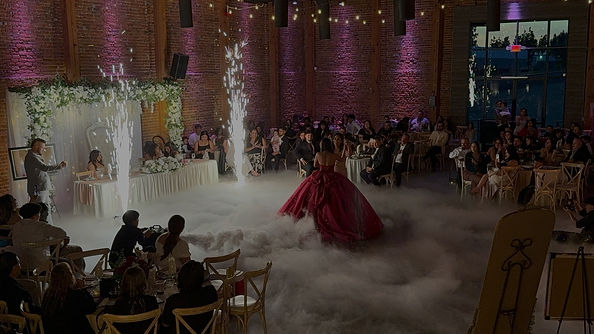
Venue Layout Ideas for 250 Guests: From Aisle to After-Party
- Dec 23, 2025
- 8 min read
Planning venue layout ideas for 250 guests can feel overwhelming, but it doesn’t have to be. I’m writing this as someone who works with real event timelines, guest flow, vendors, and room setups every week at San Gabriel Valley Event Center, where we host large celebrations and see what works (and what causes traffic jams). The goal here is simple: give you clear, practical layout guidance you can use right away, then explain the “why” behind it.
Introduction: What “Great Flow” Looks Like at 250
At 250 guests, a “great” layout has three things:
Guests can move easily (no bottlenecks at entrances, bars, or seating charts).
Your vendors can serve smoothly (clear paths for food, bussing, and bar lines).
The party energy stays centered on the couple (good sightlines and a dance floor that feels alive).
Who this guide is for (weddings, hybrid indoor–outdoor, tented)
This is for you if you’re planning:
A wedding reception for ~250 guests
A ceremony + reception in one space
A venue with an indoor hall (and maybe patio/outdoor moments)
A tented or hybrid plan where flow still matters
Key goals: sightlines, service paths, and dance-floor energy
Before you pick tables, decide what matters most:
Sightlines: Can most guests see toasts and first dance?
Service paths: Can staff reach every table without weaving through crowds?
Dance-floor energy: Is the dance floor easy to find, visible, and not blocked?
Capacity & Flow Fundamentals
Guest count to room footprint: thinking “dance-floor-first”
For 250 guests, start by placing the dance floor first, then build everything around it. Why? Because the dance floor becomes the “main street” of your reception. If you squeeze it in last, you usually end up with tight aisles, blocked views, and awkward empty pockets.
Quick rule: if dancing matters, you want a dance floor that’s visible from most tables and not shoved into a corner.
Circulation lanes: aisles between tables, entrances, and exits
At 250, you need intentional walking lanes. Plan for:
A main lane from entrance → seating → dance floor
Clear paths to restrooms
A safe, open route for servers and bussers
Extra space near the seating chart and bar(s)
If people have to squeeze sideways between chairs, your layout is too tight.
Sightlines to the couple, toasts, stage, and screens
Where will the couple be during:
Grand entrance?
Dinner?
Toasts?
First dance?
Keep that area visible. If you’re using TVs/screens for a slideshow, place them where guests can see without twisting in their chairs. (Many venues, including ours, use TVs for slideshows as part of event setups.)
Seating Strategies That Work at 250
Round tables: pros, cons, and table counts
Round tables are popular because they:
Feel social and balanced
Make it easy to talk
Work well for assigned seating
Watch-outs:
They can eat up floor space fast
Too many rounds can create “maze aisles”
Table count varies by table size and seats per table. The key is spacing: it’s better to use slightly fewer tables with better aisles than to cram in extra seats and lose flow.
Long “king’s” tables and family-style runs
Long tables (king’s tables) are great if you want:
A modern look
Strong visual lines
Built-in “zones” without extra décor
They can also help shape the room:
Long tables can line the perimeter and keep the middle open
Or they can create a “hallway” feel leading to the dance floor
Mixed layouts (rounds + longs) to shape zones and sightlines
A mixed table layout for 250 guests often works best:
Rounds near the dance floor (good for energy and sightlines)
Long tables along the sides (clean lanes and strong room shape)
High-tops near bars (helps reduce bar crowding)
This creates natural zones without walls.
Head table vs. sweetheart table considerations
Head table vs sweetheart table comes down to priorities:
Sweetheart table
Best for photos and sightlines
Gives wedding party more freedom to sit with dates/friends
Creates a clear focal point
Head table
Feels traditional
Can be fun for group energy
Needs more space (and can block views if placed poorly)
Tip: If you choose a head table, consider a slight riser/stage (when allowed/available) or place it so it doesn’t block the dance floor.
Map the Core Zones
Dance floor placement (center, offset, or stage-adjacent)
For dance floor size for 250 guests, the best placement is usually:
Center (highest energy)
Slightly offset (better for service lanes)
Stage-adjacent (great if you have a live band)
Avoid placing the dance floor where guests must cross it to reach restrooms or the bar.
DJ/band/stage location and AV needs
Your DJ/band placement in a reception hall should:
Face the dance floor directly
Have a clear “line of sight” to the couple (for cues)
Stay away from main traffic lanes (no cords across walkways)
If your venue provides limited power access, confirm your vendor needs early. (For example, our venue notes 15 AMP breakers for music vendors and requires vendors to follow guidelines.)
Bar(s) and high-top clusters to prevent bottlenecks
At 250 guests, one bar line can get long. If you can:
Use two bar points (even if one is beer/wine only)
Add high-top tables nearby so people step away after ordering
Also: keep the bar away from the seating chart area. Two lines colliding is a common problem.
Buffet, stations, or plated service setups
Your food style changes the whole layout:
Plated service
Needs strong service lanes
Less guest movement during dinner
Buffet/stations
Needs space for lines
Needs clear entry/exit to the buffet zone
If outside catering is used, confirm how service works. (For example, our outside catering guidance includes buffet-style service, plus optional prep-area use with restrictions.)
Photo booth, dessert, gifts, and guest book placement
Smart placements:
Photo booth: near cocktail flow, not blocking entrances
Dessert: visible but not in a main walkway (helps avoid crowding)
Gifts/guest book: near the entrance, but off to the side so it doesn’t cause a jam
Note: Some venues include a photo booth in packages, so plan space for it early.
Kids’ table, accessible seating, and quiet-zone options
For comfort and accessibility:
Put kids’ tables near parents, but not in server lanes
Reserve a few seats with easier access for elderly guests
Consider a “quiet edge” zone with lower music impact
Wheelchair access matters too, some venues have ramps, and some rooms may have limitations.
Ceremony → Cocktail → Reception Transitions
On-site ceremony layouts (center aisle vs. angled seating)
If your ceremony happens in the same space as the reception, the simplest approach is:
Reception tables already set
Ceremony chairs set at the dance floor area
After ceremony, chairs are removed and the dance floor opens
For seating style:
Center aisle: classic, clean photos
Angled seating: can improve sightlines in wide rooms
Cocktail-hour flow: satellite bars, lounge pods, escort-card display
Cocktail hour works best when you separate “stops”:
Seating chart/escort cards: one zone
Bar: another zone
Apps/food stations: separate zone
If all three are stacked in one spot, you get congestion fast.
Flip-friendly plans to minimize room resets
If you want a “flip-free reception layout,” aim for:
Ceremony chairs that can be removed quickly
No heavy décor blocking the dance floor zone
Vendors aligned on who moves what and when
Five Sample Floor Plans for 250
Classic banquet: centered dance floor + dual bars
Dance floor centered
DJ at one end
Two bar points on opposite sides
Rounds in clusters with wide cross-aisles
Best for: strong party energy and balanced flow.
Long-table “hall” with perimeter dance floor
Long tables run lengthwise
Dance floor sits along one side or near the far end
Great straight service lanes
Best for: modern style and clean traffic flow.
Mixed rounds/longs with stage-front head table
Sweetheart/head table near stage area
Rounds closer to the dance floor
Long tables along walls to open lanes
Best for: good sightlines and a strong focal point.
Cocktail-forward with food stations and late-night seating reset
Fewer seats during cocktail hour (high-tops + lounges)
Food stations spaced out
After dinner, some tables are removed to expand dance area (“breaking down tables after dinner” plan)
Best for: guests who love mingling and dancing.
Indoor–outdoor or tented layout with weather fallback
Outdoor zone: lounge + photo moment + overflow seating
Indoor zone: dining + dance floor + DJ
Clear signage and a fallback plan if weather changes
Best for: hybrid events with flexible guest movement.
Dance Floor & Entertainment Details
Right-sizing the floor and keeping it visible
A dance floor feels bigger when:
It’s centered or framed by seating (not hidden)
The couple’s table can see it
The DJ is facing it directly
Lighting zones (pinspots, wash, uplights) that guide movement
Lighting isn’t just “pretty.” It guides guests.
Brighter near bars and walkways
Focus lighting on dance floor and sweetheart/head table
Use uplighting to define room edges (many venues include uplights)
Speaker placement and power runs away from traffic
Keep:
Cables taped down and away from aisles
Speakers aimed at the dance floor, not directly at dinner tables
Vendor access paths open for setup and breakdown
Décor That Supports the Layout
Centerpiece heights for toast/first-dance visibility
For sightlines:
Keep centerpieces low, or tall-and-slim (not wide)
Avoid blocking views to the couple and DJ/stage
Backdrops, drape, and focal points that cue guest flow
Focal points help guests “read” the room:
Backdrop behind the sweetheart/head table
Signage pointing to bar, restrooms, photo booth
Draping to soften corners and guide movement
Signage and seating-chart formats that reduce congestion
For seating chart for 250 guests, reduce crowding by:
Using 2–3 copies of the seating chart
Setting it away from the entrance door
Grouping names clearly (alphabet + table number)
Logistics, Safety & Accessibility
Service corridors for catering and bussing
Build in “staff-only” paths where possible:
Behind table blocks
Along walls
From kitchen/prep entry to dining area
This keeps service faster and reduces guest interruptions.
Egress, fire code awareness, and emergency access
Leave:
Clear exits
Clear doorways
No blocked paths with décor, gift tables, or lounge furniture
When in doubt, ask your venue team what can’t be blocked.
ADA-friendly spacing, chair types, and surface transitions
Plan for:
Wider aisles in at least a few routes
Accessible seating that isn’t isolated
Smooth transitions if using patio/outdoor areas (ramps may be available depending on the building/space)
Timing & Staffing Considerations
Load-in/load-out paths and staging areas
Ask early:
Where do vendors load in?
Where do gifts and décor stage?
What time can deliveries arrive?
Some venues require deliveries through side/back entrances with staff support.
Bus-bin, water, and coffee stations for late night
Help your team by planning:
A hidden spot for bus bins
Water stations (keeps guests hydrated and reduces bar lines)
Coffee/late-night setup if you’re serving it
Vendor comms: who owns flips, cues, and resets
Make one simple page that lists:
Who moves ceremony chairs
Who resets tables (if needed)
Who cues grand entrance, toasts, first dance
Who approves final layout changes
Tools & Templates
Floor-plan software to mock up layouts
Helpful tools:
Simple graph paper + measured spacing (works great)
Online floor plan tools (any that allow table shapes and spacing)
The best tool is the one you’ll actually use.
Printable shot list for layout photos (for your venue team)
Take photos of:
Entrance + seating chart area
Each table block
Dance floor edges and walkways
Bar line space
DJ/band location
Dessert/photo booth zones
These photos make it easy for vendors to match the plan.
Measurement worksheet: doors, ceilings, and clearances
Measure:
Door widths (for vendor gear)
Ceiling height (for tall installs)
Main aisle widths
Space behind chairs when guests are seated
Wrap-Up & Next Steps
How to choose among the sample plans
Pick the plan that matches your priority:
Party energy: centered dance floor
Smooth service: strong staff lanes + fewer bottlenecks
Modern style: long tables or mixed layouts
Mingling: cocktail-forward zones + high-tops
Checklist: confirm zones, timing, and vendor roles before final proofs
Before you lock your layout:
Dance floor placed first
Bar(s) not colliding with seating chart
Clear service lanes for food + bussing
DJ/band location confirmed with power needs
Photo booth/dessert/gifts placed off main walkways
Accessibility seating and routes planned
Ceremony-to-reception transition plan confirmed (if needed)
Final floor plan shared with all vendors
If you’d like, share your room shape (or a rough sketch), whether you’re doing rounds/long tables, and if you want a big dance floor or more seating space, and I can suggest which sample plan fits best for a 250-guest reception.


Comments